Autumn is a wonderful time to get out on the water. From colourful trees lining the riverbanks to quieter canals and crisp mornings, there’s plenty to enjoy as the seasons change. But with cooler temperatures, changeable weather and shorter days, it’s important to be prepared before heading out kayaking, stand up paddleboarding or canoeing. Our guide on what to wear paddling in autumn will help you choose the right clothing, understand how to layer up and prepare for the conditions, so you can make the most of your time on the water.
How to dress for autumn paddling
When choosing what to wear paddling in autumn, it’s important to consider the water temperature as well as the weather. Even on a mild day, the water can be cold enough to cause cold water shock if you fall in.
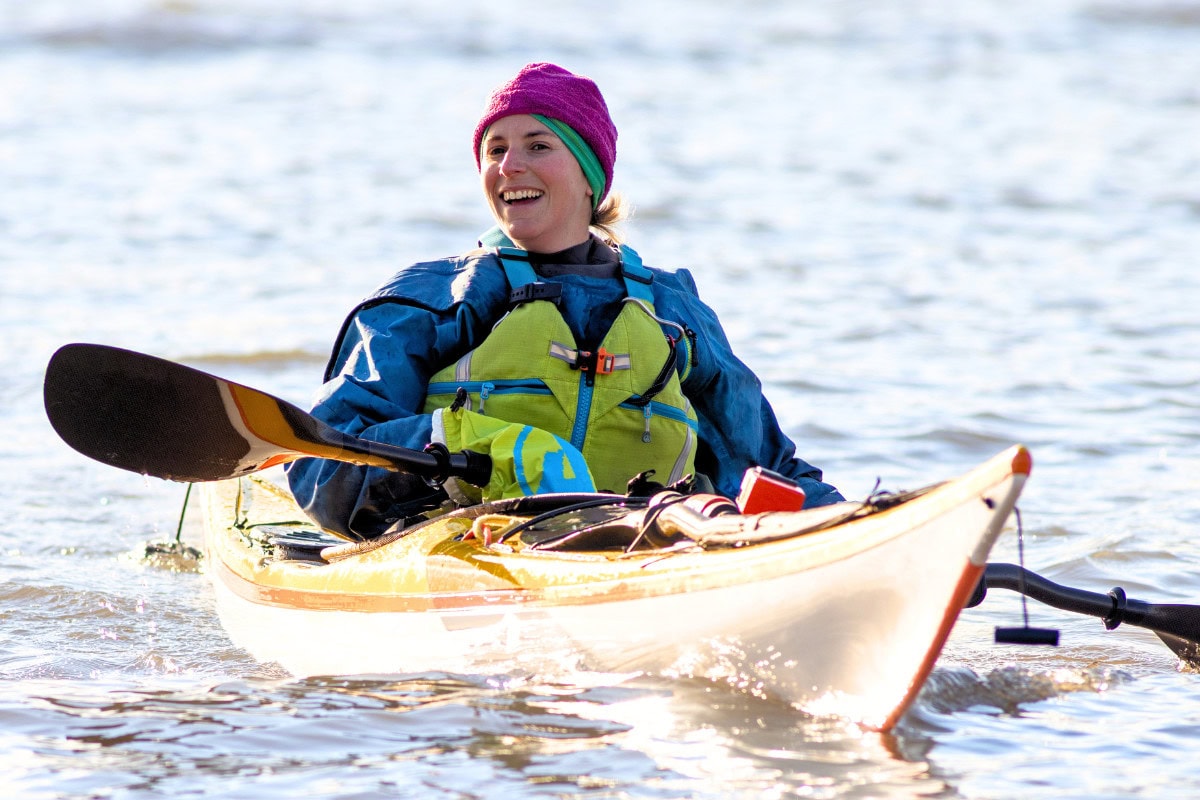
Layering with suitable paddling clothing can help you stay comfortable and prepare for changing conditions.
Start with a moisture-wicking base layer, add insulation for warmth and finish with an outer layer to protect you from wind, rain and splashes.
Paddling base layers
As the name suggests, your base layer is the clothing worn next to your skin. It’s the first step in building your autumn paddling kit.
Base layers help manage sweat and moisture, keeping you more comfortable as you paddle. Choose quick-drying, moisture-wicking synthetic fabrics or merino wool, which can help move moisture away from your skin.
It’s best to avoid cotton next to your skin, as it absorbs moisture and can leave you feeling cold when wet.
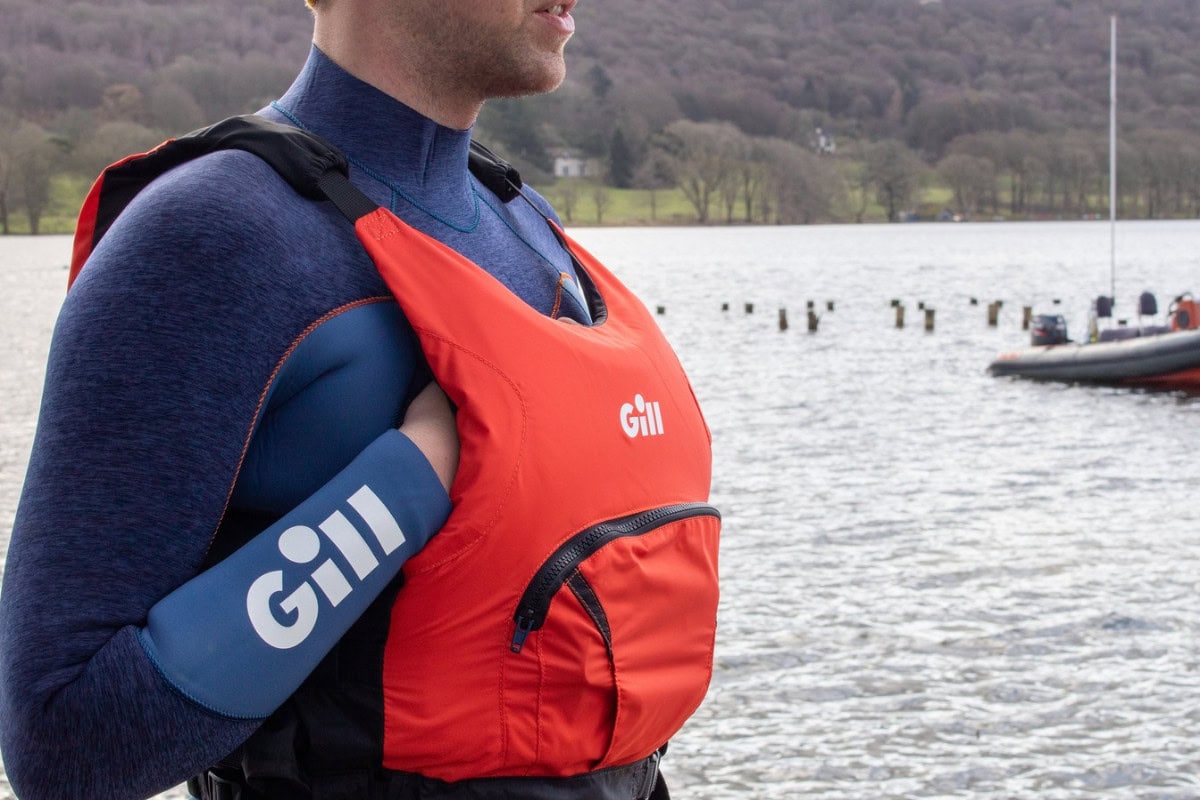
You can also add neoprene leggings or trousers to your cold-weather paddling kit. Neoprene provides insulation by trapping a thin layer of water that your body warms, helping you retain heat when you’re wet.
It can take a little trial and error to get your cold water paddling clothing right, but your perfect base layer won’t be so thick that you overheat, and not so thin that you get cold.
Don’t forget your mid-layer
When thinking about what to wear paddling in autumn, a mid-layer is an important part of your kit. A fleece or an insulating top adds warmth between your base layer and outer layer. Choose something lightweight and breathable to help you stay comfortable as you paddle.
If you start to feel too warm as you exert more energy, you can remove your mid-layer but still stay protected from the elements.
Paddling outer layers
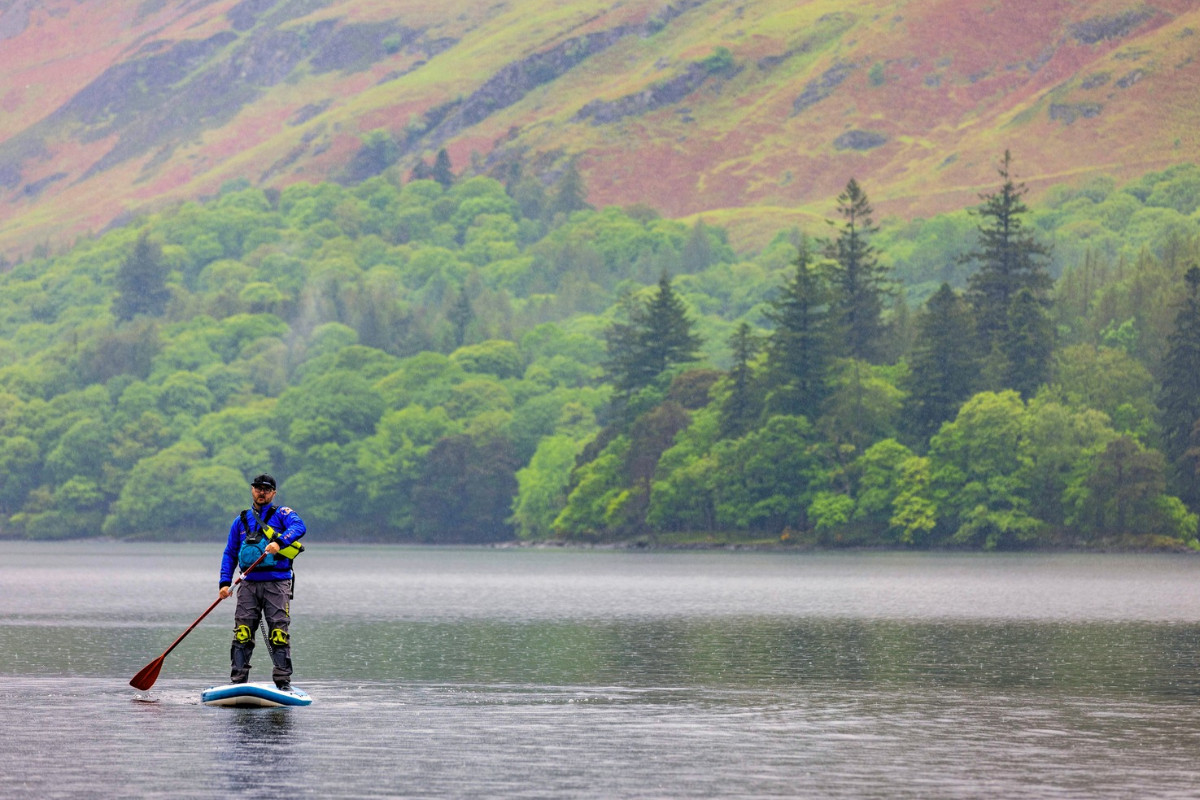
Base layers sorted? It’s time to think about the outer layers. Your outer layer should be designed to keep you dry and warm from the outside. Think waterproof and windproof material.
You might already own a waterproof jacket for walking, but paddling-specific outerwear is designed for time on the water. You’ll often hear paddlers refer to it as a cag. It’s specially designed to keep water out, with a waterproof outer shell and neoprene around the neck and wrists to stop water getting in.
A cag can help prevent splashes from soaking your layers and reduce the chill from the wind, even when it’s not raining.
No paddling kit would be complete without a buoyancy aid. It helps keep you afloat if you fall in, and depending on the style, can also provide an extra layer of warmth. Wear it over your outer layers and make sure it fits correctly.
Layering your paddling clothing means you can keep warm while also having the option to remove a layer if the glorious autumn sunshine breaks through, or you’re putting some extra effort in!
Wetsuits and drysuits
If you’re planning to continue paddling as the weather gets colder, it may be worth investing in a drysuit or drysuit trousers with built-in socks.
Drysuits are a one-piece waterproof shell that keeps your body and insulating base layers completely dry while you are on the water, protecting you from cold water shock and hypothermia. They have neoprene seals around the neck, wrists and ankles.
You can continue wearing your wetsuit into autumn too, or wear a separate neoprene top and trousers. A wetsuit can be a useful option for activities where getting wet is more likely, as they work by trapping a thin layer of water between the suit and your skin, which your body warms to help keep you insulated.
What to wear on your hands and feet when paddling in cold weather
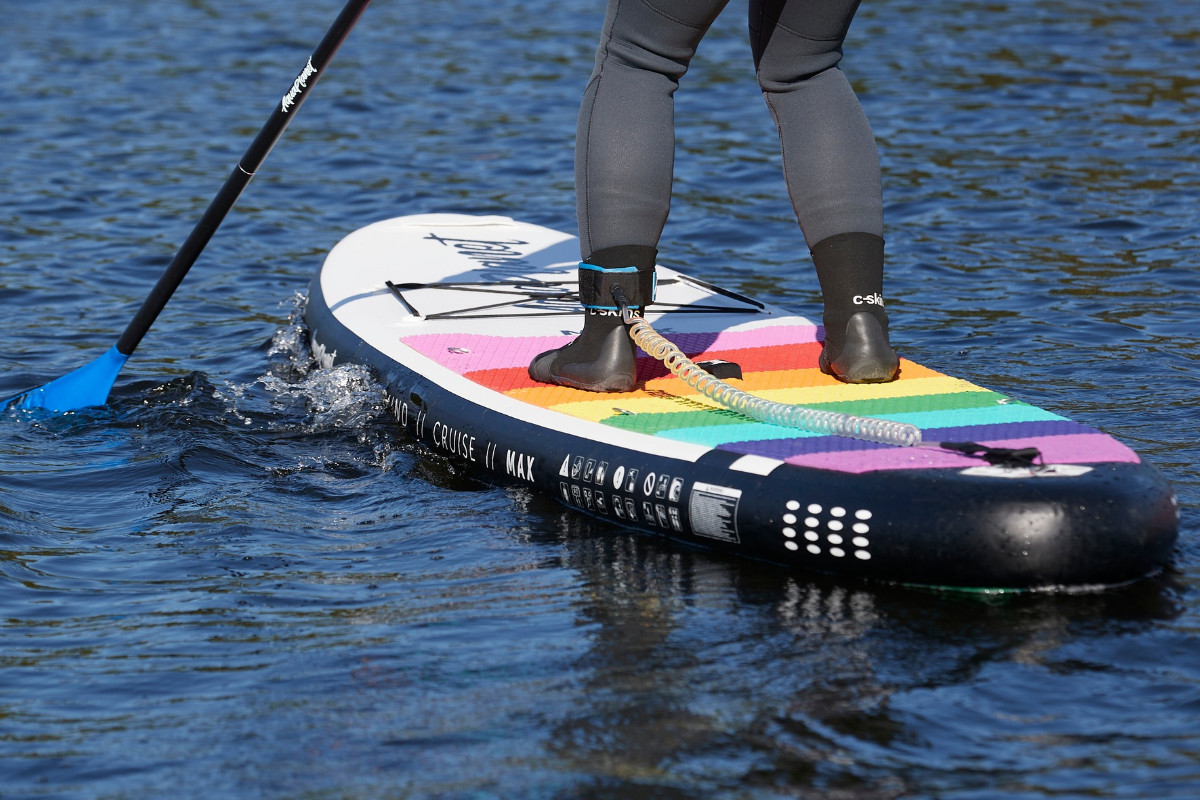
Hate your hands and feet turning to blocks of ice while paddling? We’re with you there!
Hands and feet often get cold first and warm up last, but you can help keep them toasty with neoprene gloves, socks and boots.
Neoprene gloves are a popular choice for cold-weather paddling. They provide insulation while allowing you to grip your paddle. They come in a range of styles, such as mitts, short-finger and full-finger. Find out which gloves work best for you in our guide.
Kayakers may also prefer pogies. These insulated covers attach around the paddle shaft, allowing you to put your hands inside for warmth while maintaining direct contact with the paddle.
Topping off your autumn paddling kit – hats and other accessories
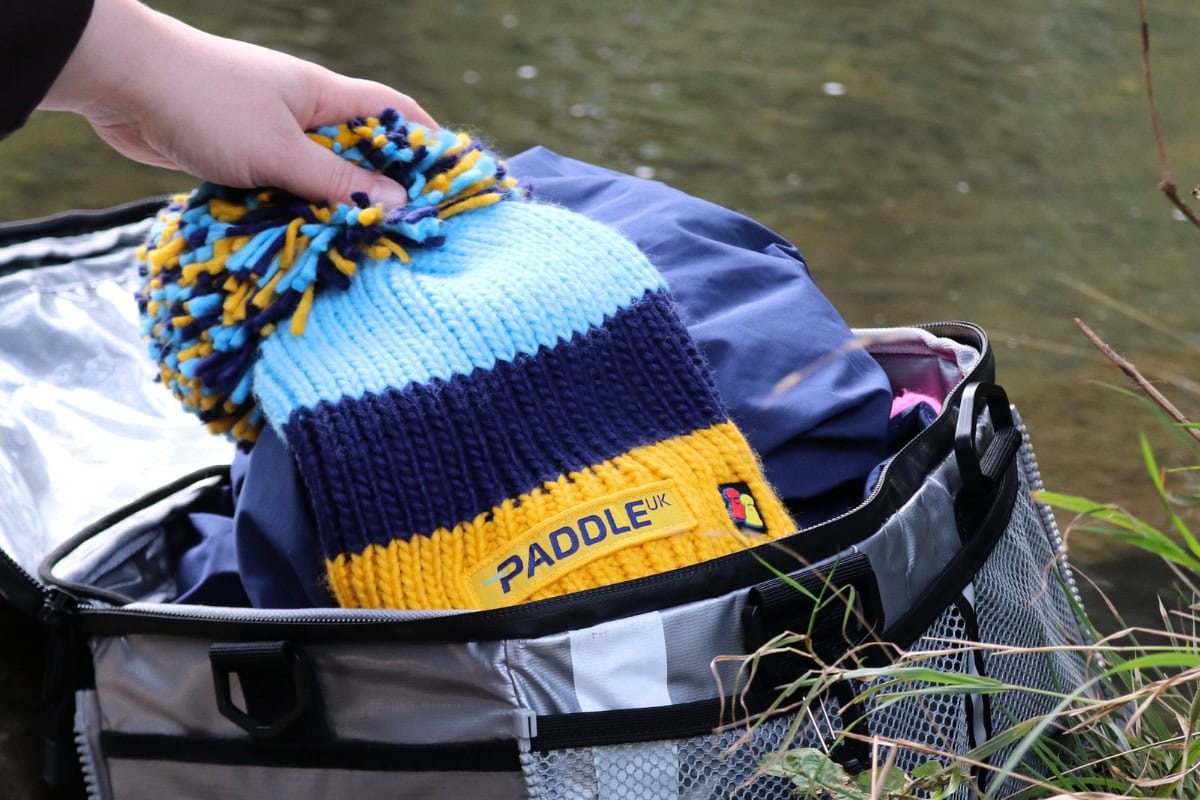
Once you’ve sorted your clothing, a few extra items can help keep you safe and make your paddle more comfortable and enjoyable.
It seems obvious, but you lose heat through your head too! So topping your autumn paddling kit off with a warm hat is a no-brainer really. You can get specialist hats with a waterproof layer, or your favourite winter woolly will work too.
If you’re kayaking, a spray deck can help keep water out of your cockpit, reducing the amount of water splashing onto you and your clothing. Make sure it’s suitable for your kayak and that you know how to release it quickly in an emergency.
A dry bag is useful for carrying essentials and keeping spare clothing dry. Pack a complete change of clothes for after your paddle, along with a towel and any other essentials you might need.
A warm drink and a snack can also be welcome after a chilly outing. A changing mat or dry robe can make getting changed more comfortable, particularly if you’re launching from a muddy or exposed riverbank.
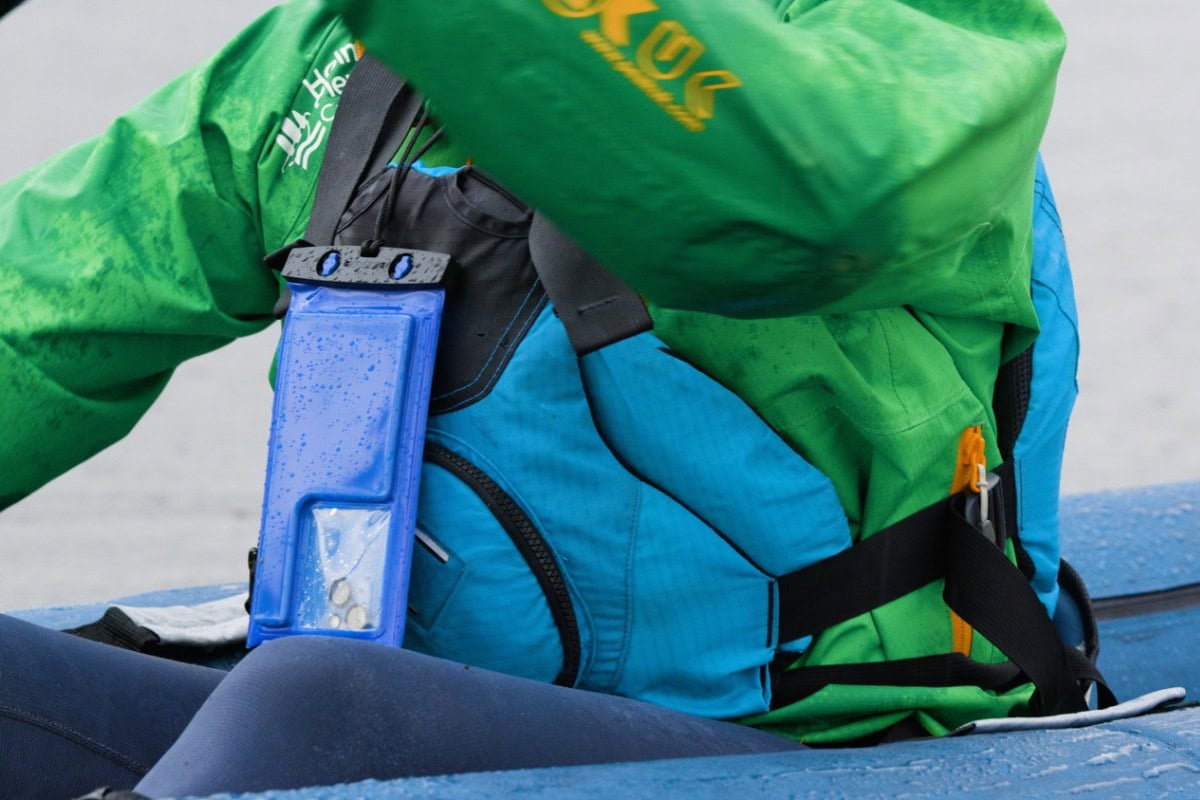
Make sure to carry your mobile phone in a waterproof case and keep it somewhere within easy reach. This will make sure you can call for help in an emergency.
Autumn days are shorter, and the sun can sit low in the sky. Sunglasses may help with glare, while sun cream will protect you from the UV rays.
Adding reflective strips or a light to your craft and kit will help you be more visible to other water users too.
Autumn paddling safety – what to consider before you go
Knowing what to wear paddling in autumn is only one part of preparing for a safe trip. Conditions can change quickly at this time of year, so take time to plan before heading out. We’ve got a useful guide on how to plan a safe autumn and winter paddle.
If you’ll be stand up paddleboarding, make sure you’re wearing the correct paddleboard leash. See our leash guide and choose one suitable for the environment and conditions you’ll be paddling in.
Ready to go? Now you’re all kitted out for autumn paddling adventures, head to our PaddlePoints map or our Paddle Trails to find lots of new places to paddle.
As a Paddle UK member, you can also get exclusive discounts on kit and equipment from top brands, so you can keep paddling all year round.