Devon is an incredible place to get out on the water, even if you’ve never held a paddle before! The key to a great first experience is choosing a sheltered, calm location, and not being afraid to ask some professionals for help. Here are five of the very best places in Devon for beginner kayakers and stand-up paddleboarders (SUP).
1. The River Dart Estuary (Totnes to Dittisham)
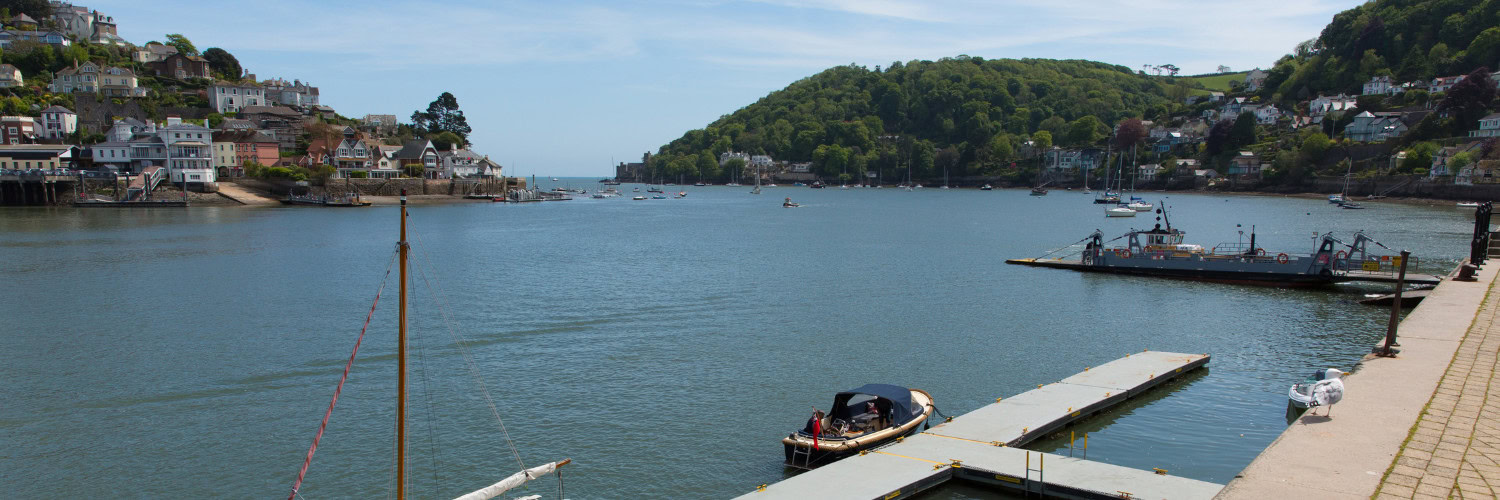
The lower section of the River Dart offers a fantastic, sheltered inland paddle that feels miles away from the sea.
- Why it’s Great for Beginners: It’s non-tidal for much of the upper stretch near Totnes (though you’ll need to launch at the right time below the weir) and is protected from strong coastal winds and swell by high, rolling hills. The water is generally calm, making it easy to keep your balance on a SUP or navigate a kayak.
- What to See: Launch from Longmarsh Slipway in Totnes and paddle downstream. You’ll glide past the tranquil Sharpham Estate vineyards and wooded banks. Keep an eye out for seals who often swim upriver!
- Beginner Tip: Start at a paddle centre in Totnes (like Totnes Kayaks) for easy equipment hire and tidal advice.
2. Wimbleball Lake (Exmoor National Park)

For a guaranteed, stress-free freshwater experience, head inland to Wimbleball Lake on the edge of Exmoor.
- Why it’s Great for Beginners: As a large reservoir, it’s completely non-tidal and the water is nearly always flat and calm, with little to no current. This makes it the safest environment for learning to stand up on a SUP or practice basic kayaking strokes.
- What to See: Enjoy a peaceful paddle surrounded by the beautiful, vast open scenery of the Exmoor National Park. It’s a very tranquil spot away from coastal crowds.
- Beginner Tip: The lakeside activity centre offers equipment hire, lessons, and dedicated launch areas, making logistics super simple.
3. Salcombe-Kingsbridge Estuary (Salcombe)
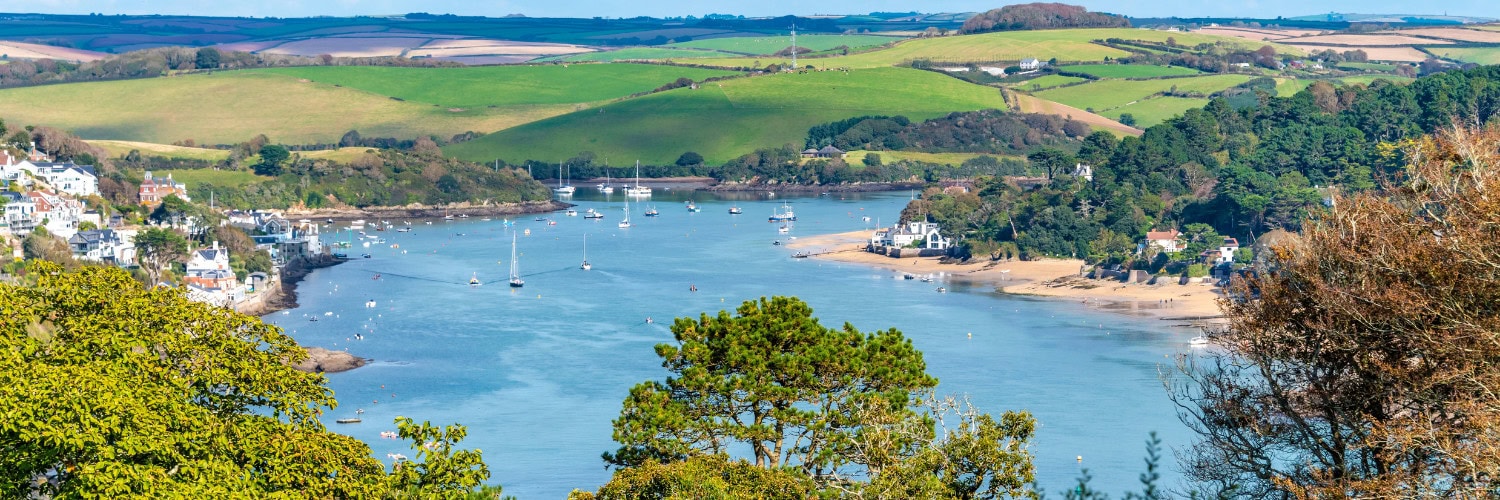
While popular, the upper parts of the stunning Salcombe-Kingsbridge estuary offer perfect sheltered conditions for a sunny day paddle.
- Why it’s Great for Beginners: The estuary’s arms are naturally sheltered from the open sea swell, and the water is incredibly clear. You can easily launch from beaches like North Sands or hire a board/kayak right on the estuary.
- What to See: Paddle past luxury yachts and explore the secluded, tiny beaches and creeks along the shoreline. It’s ideal for beach-hopping and a perfect spot to take a picnic.
- Beginner Tip: Stick to the inner parts of the estuary and avoid paddling near the mouth where the currents and boat traffic can be stronger.
4. Combe Martin Bay (North Devon)
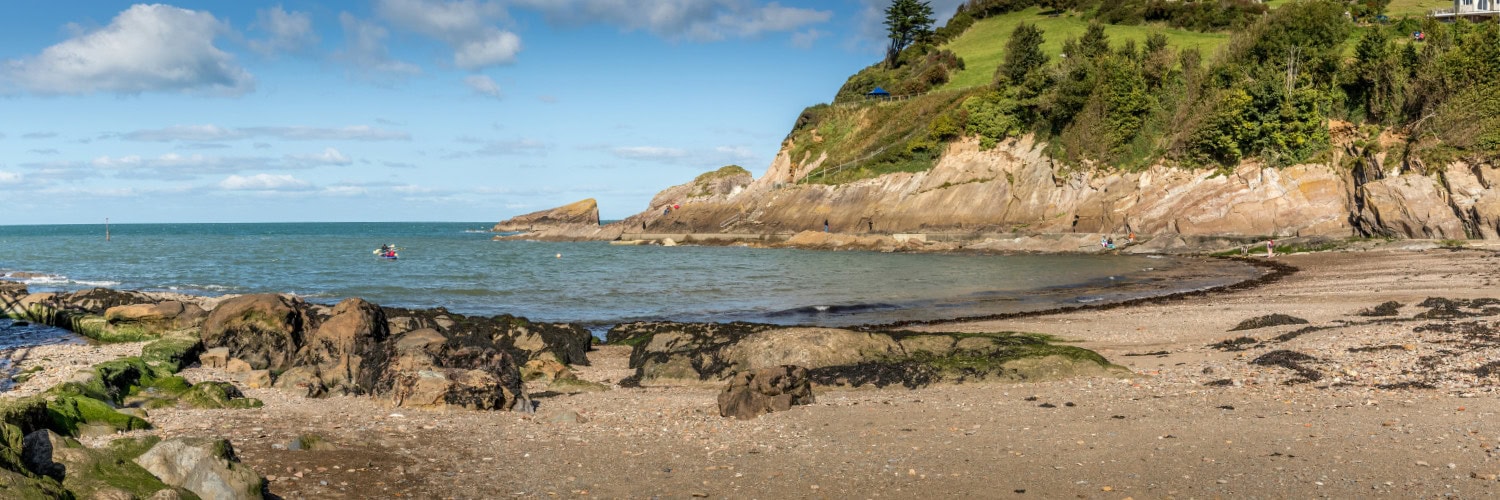
Combe Martin Bay is one of North Devon’s best-kept secrets, providing a rare sheltered haven on an otherwise rugged coast.
- Why it’s Great for Beginners: The steep cliffs surrounding the bay provide excellent shelter from prevailing winds, creating a relatively calm, flat sea pool near the launch area. It allows you to experience sea paddling without the big waves.
- What to See: Explore the small sea caves and paddle along the towering coastline. The water clarity is usually excellent, and you’ll get a stunning perspective of the highest sea cliffs in England.
- Beginner Tip: Hire an instructor from one of the local centres here. They will guide you safely along the coast and into the accessible caves.
5. South Milton Sands (Near Thurlestone)
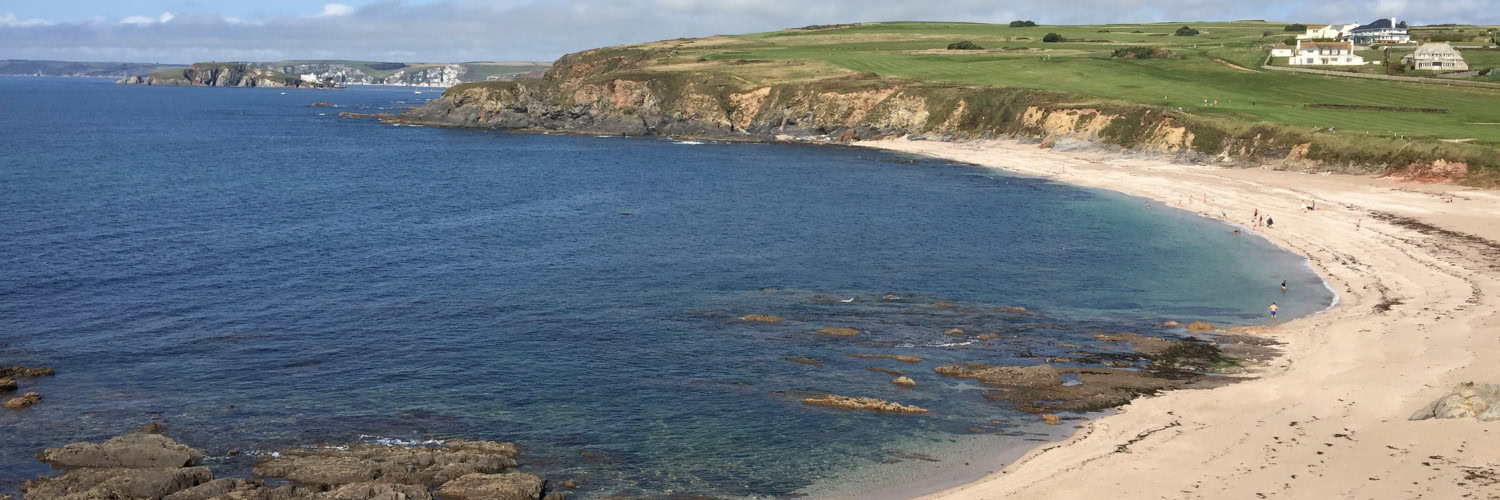
A popular and picturesque sandy bay in South Devon, perfect for a short, enjoyable coastal outing.
- Why it’s Great for Beginners: The bay is relatively wide and sheltered, and a popular spot for launching right off the soft sand. It’s also famous for the iconic Thurlestone Rock archway, which is a fun, easy destination to paddle towards.
- What to See: Paddle out to Thurlestone Rock and explore the immediate coastal area. Many beginners love the relatively short, clear-water paddle to the natural arch. You might even spot a dolphin or seal in the distance!
- Beginner Tip: Paddle earlier in the morning before the sea breeze picks up, and stay close to the shoreline where the water is usually the calmest.