England’s coastline, estuaries, and lakes are dotted with small islands that offer perfect paddling adventures, whether you’re in a kayak, canoe or on a stand-up paddleboard (SUP). These unique locations give you a fresh perspective on the coast, combining accessible waters with fascinating history and wildlife.
1. Burgh Island, Devon
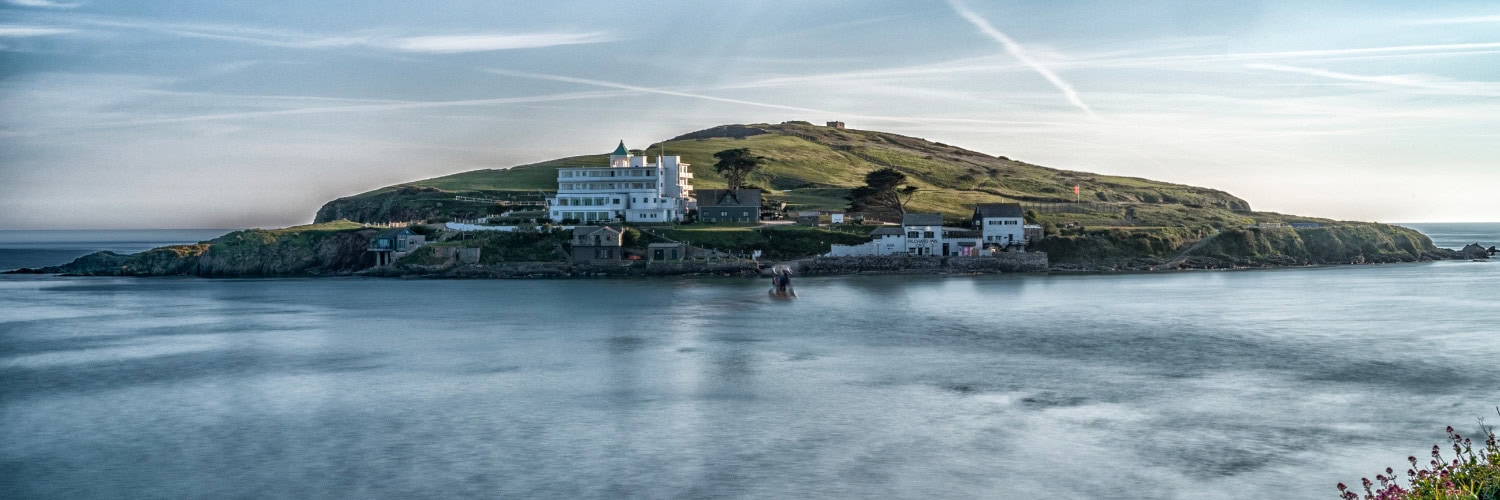
The small Burgh Island is perhaps the most famous tidal island on the South Devon coast, situated opposite the village of Bigbury-on-Sea.
- The Paddle: The island is compact enough that an average paddler can easily complete a full circumnavigation in a short trip (around an hour, depending on your pace and conditions). Paddling around it gives you a view of the famous Art Deco hotel and the coves that inspired Agatha Christie.
- The Tidal Challenge: Burgh Island is accessible by foot via a sand causeway at low tide. When the tide comes in, the causeway is covered, and a unique sea tractor ferries visitors across. For paddlers, this means the currents flowing around the island can be strong and unpredictable as the tide rushes in and out.
- Safety Tip: Always check the tide times before you set out. It’s best to paddle when the water is relatively slack (around high or low tide) or when the current is running in a direction favourable to your return.
2. Brownsea Island, Dorset
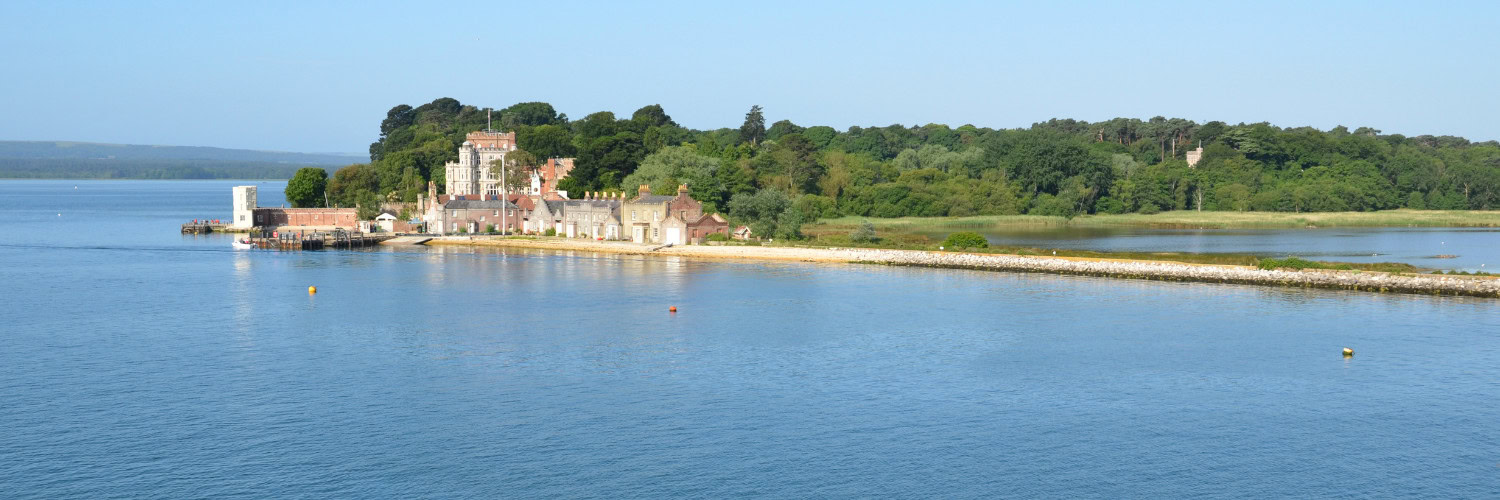
Nestled within the vast and sheltered Poole Harbour, Brownsea Island is a National Trust nature reserve known for its red squirrels and rare wildlife.
- The Paddle: A full circumnavigation of Brownsea is a popular objective for kayakers, offering calm waters thanks to the protection of the harbour. The 3-mile perimeter takes you past quiet beaches, mudflats teeming with birds, and dense woodland edges.
- The Environment: As a significant nature reserve, the island requires respect. While you can paddle the circumference, there are landing restrictions to protect sensitive habitats and wildlife. You’ll get incredible views of the island’s conservation area without stepping ashore.
- Starting Point: Launching from one of the many spots around Poole Harbour, such as Studland Bay, provides the easiest access.
3. The Isles of Scilly, Cornwall
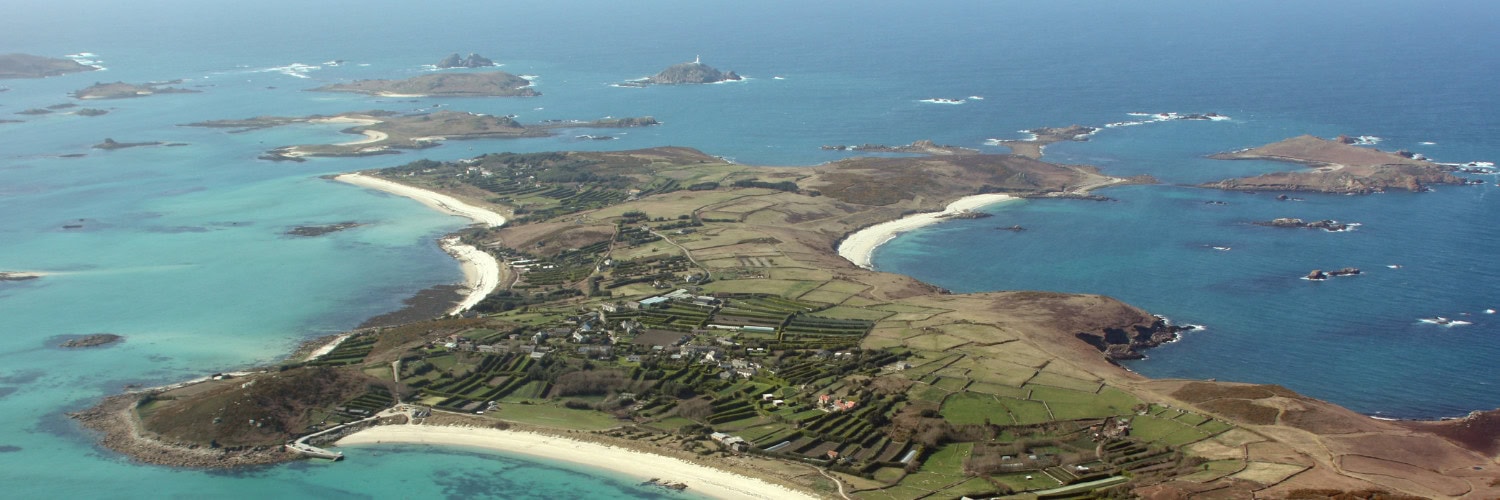
While the Isles of Scilly are 28 miles off the Cornish coast, the archipelago structure means the inner waters are a paddler’s dream, offering countless islands and rocks to explore.
- The Paddle: While you can’t circumnavigate the entire archipelago in a day, you can easily paddle around the individual islands like St. Martin’s, St. Agnes, or Bryher.
- Caribbean-esque Waters: The islands are famed for their crystal-clear, turquoise waters and stunning white-sand beaches, creating a paddle experience unlike anywhere else in the UK.
- Wildlife Highlight: The waters around the islands are home to large colonies of seals. Paddling allows you to observe them at a respectful distance, particularly around the uninhabited Eastern Isles or the protected Annet (where landing is prohibited).
- Logistics: You’ll need to use the ferry or plane to reach the main island of St. Mary’s, and then launch your craft (or hire one locally) to explore the surroundings.
4. Inland and Lake Islands (The Lake District)
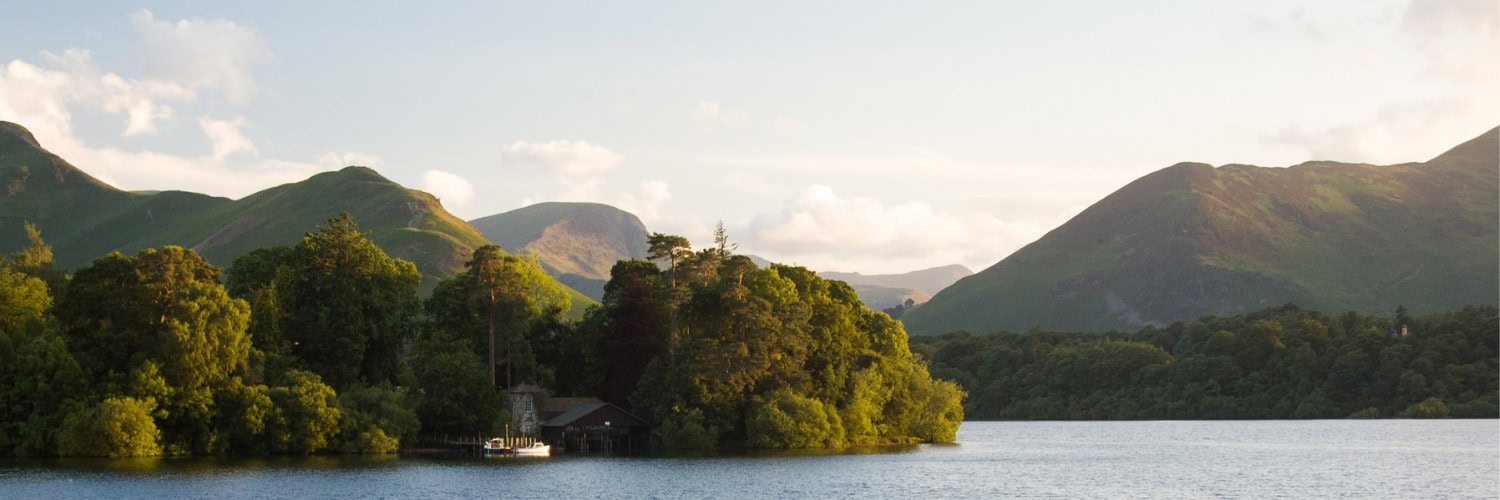
Not all island paddling is on the sea. England’s largest lakes also feature smaller, paddleable islands.
- Derwentwater, Cumbria: This lake near Keswick is home to several small islands, including Derwent Island, Lord’s Island, and St Herbert’s Island. While you cannot land on all of them (some are private or protected), paddling between and around them offers beautiful views of the surrounding fells, making for a serene inland adventure.
- Coniston Water, Cumbria: This lake features three small islands. Paddling here is a tranquil way to take in the landscape in the shadow of the ‘Old Man of Coniston’ mountain. Note: Landing on these small islands is generally discouraged as they serve as important wildlife habitats.
Safety First: Paddling Island Waters
Island circumnavigations in the sea always carry risks. To enjoy your trip safely, remember these key rules:
- Tidal Awareness: Always check marine forecasts and tide times. Tides can create strong currents and races around island headlands.
- Communication: Carry a waterproof phone or VHF radio and wear a Personal Flotation Device (PFD).
- Tell Someone: Inform a reliable person of your planned route and estimated time of return.
- Weather: Offshore winds are dangerous as they can quickly blow you out to sea. Only paddle in calm, favourable conditions.