There’s nothing like gliding across the water on a paddleboard or kayak. It feels freeing, until you realize water is real trouble for your phone, your keys, and your lunch. That’s where the drybag steps in and saves the day. Whether you’re heading out for a quick sunrise paddle or a longer kayak trip, what you toss in your drybag, and how you attach it, can decide if your day turns out perfect or becomes a soggy mess.
Here’s what you need to know about packing and securing your drybag before your next water adventure.
What to Pack in Your Drybag
Packing a drybag is all about finding that sweet spot between being prepared and not bringing so much stuff you can barely stay upright. You want to be ready for whatever comes, but you don’t need a giant bag weighing you down.
Safety & Emergency Gear
– First Aid Kit: Go for something compact and waterproof. Toss in bandages, antiseptic wipes, and tweezers.
– Communication Device: Bring your fully charged phone, tucked inside a waterproof pouch for extra safety. Or use a marine VHF radio.
– Sun Protection: Don’t forget the sunscreen, SPF lip balm, and sunglasses that won’t sink if you drop them—get a floating retainer strap.
Comfort & Clothing
– Extra Layers: Stick a lightweight windbreaker or waterproof jacket inside. A spare long-sleeve UV rash guard comes in handy, since weather can change fast.
– Microfiber Towel: Super handy for drying off and takes up almost no space.
– Dry Clothes (Optional): If you’re driving home in your paddling gear, pack a spare t-shirt and shorts. You’ll be thankful if you end up swimming unexpectedly.
Fuel & Hydration
– Snacks: Grab high-energy stuff like trail mix, energy bars, or jerky that won’t get crushed.
– Water: A lot of paddlers strap bottles on board, but keeping one in the drybag means it stays cool and out of the sun.
Personal Items
– Keys and Wallet: Protect electronic car fobs. Attach keys to a floating keychain before tossing them in.
– Licenses: If your waterway needs a license keep it handy. Your Paddle UK membership card cand be downloaded onto your phone or avaliable in physical card form.
How to Pack the Drybag
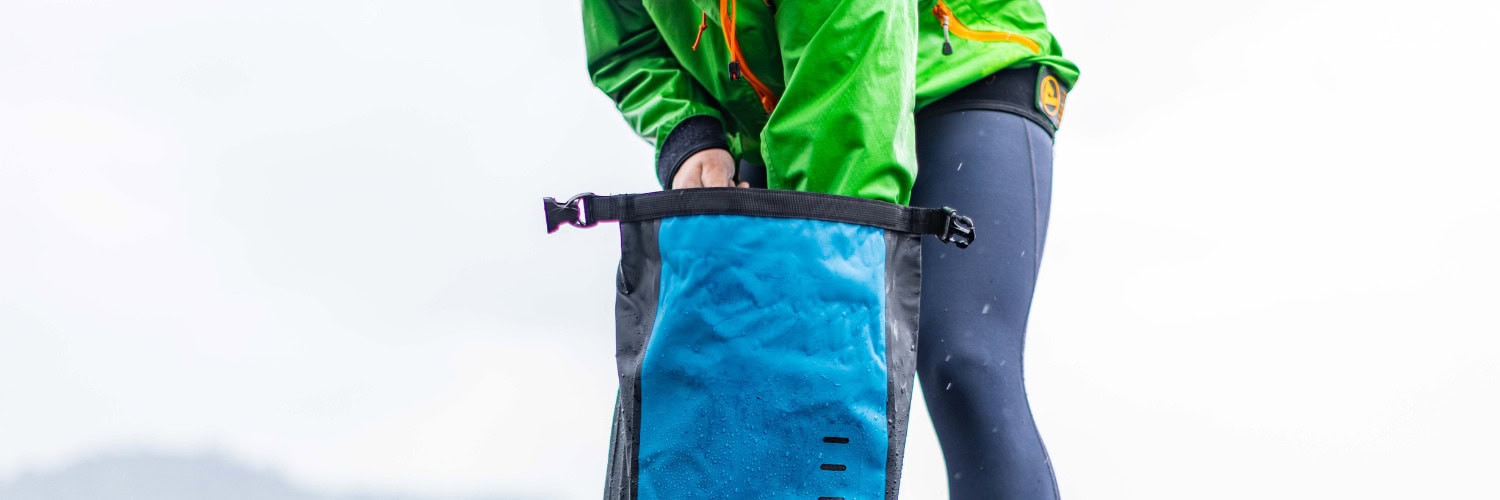
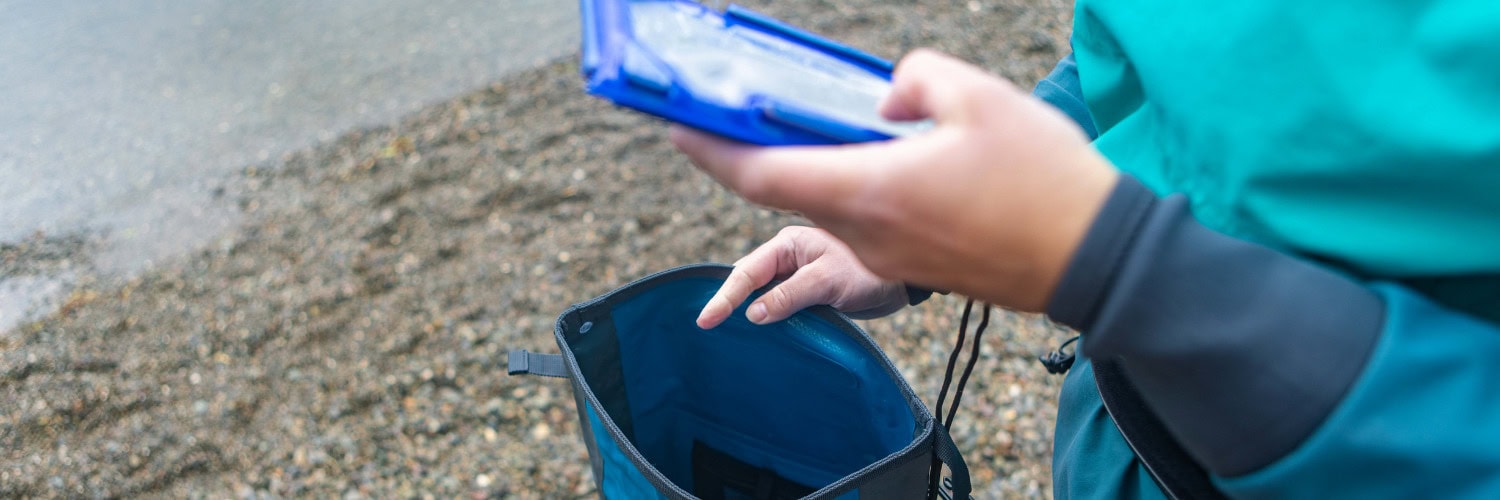
A drybag’s only as good as the person sealing it. If you don’t pack it right, water will sneak in.
– Layer Smart: Put heavy, rarely used stuff like spare clothes at the bottom. Keep items you’ll need (sunscreen, phone, snacks) on top.
– Don’t Overstuff: Leave enough room at the top to roll the bag shut. Filling it about three-quarters full is just right.
– “Burp” the Bag: Before sealing, squeeze out extra air. Keep a little in so it’ll float if it falls overboard, but too much air makes it bulky and can cause it to pop open.
– Roll, Don’t Fold: Roll the top down tightly at least three or four times.
– Buckle Away from the Roll: Clip buckles by bending them away from your roll. This keeps it watertight and gives you a carrying loop.
How to Secure Your Drybag
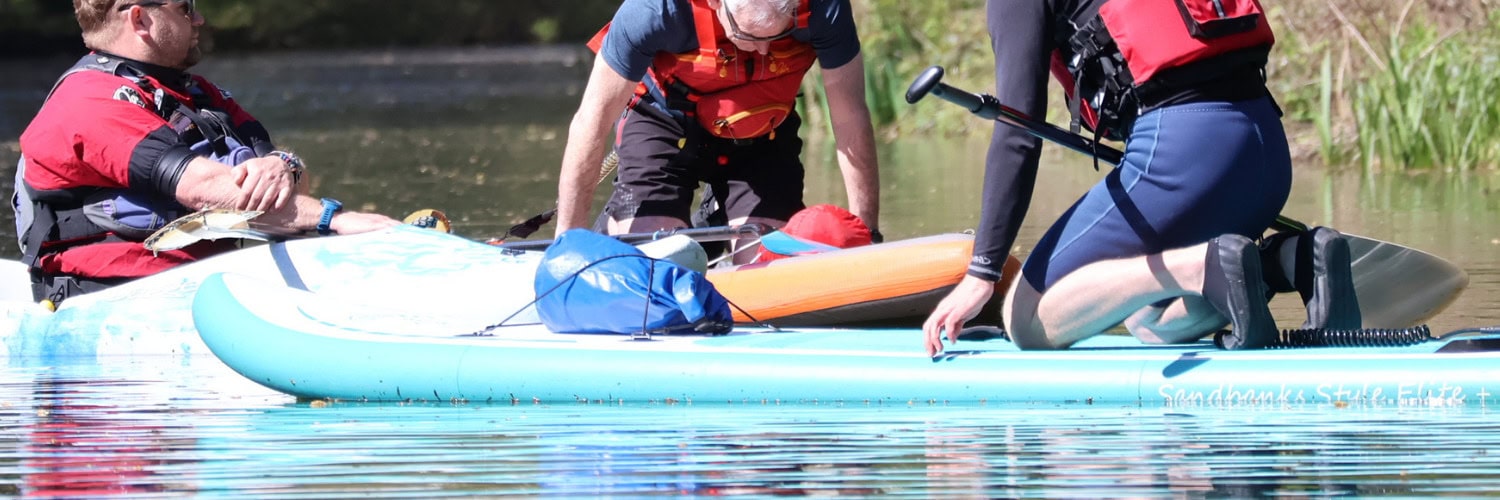
Even a perfectly packed drybag is useless if it ends up at the bottom of the lake or drifting downstream. Attach it right so your gear sticks with you.
On a Paddleboard (SUP)
– Use the Bungees: Most SUPs have a bungee cargo net at the nose (sometimes the tail). Slide your drybag under these cords.
– Carabiner Trick: Don’t rely just on bungees. Use a sturdy carabiner through your drybag’s buckle loop, and clip it to a D-ring on the board. If the bag slips out, the carabiner keeps it tethered.
– Keep it Centered: Place the bag along the board’s centerline so you don’t throw off your balance.
On a Kayak
– Inside Hatches: Touring or sea kayaks usually have sealed hatches. Stash your gear there, but always use a drybag, it’s never fully waterproof.
– Under Deck Bungees: With sit-on-tops, push the drybag under the deck rigging.
– Tether to Deck Lines: Like on a SUP, use a carabiner to attach your drybag’s buckle loop to deck lines or a pad eye.
– Skip the Cockpit: Don’t stash bulky drybags between your legs in the cockpit. They mess with your stroke and can be dangerous if you need to bail out fast.
Pack smart, secure your gear, and then just enjoy the paddle. You’ll know everything’s safe, dry, and right where you want it. Happy paddling!