Don’t hang up your paddle just because the temperatures drop. Winter paddling offers unique beauty and solitude, but the risks of cold water and cold weather are extreme. Staying safe and comfortable requires a fundamental shift in preparation, gear, and mindset. Here is your guide to embracing the cold water environment responsibly.

1. Dress for the cold
In winter, the air temperature can be deceiving. The most critical safety principle is to dress for the water temperature, not the air temperature. Water conducts heat away from the body roughly 25 times faster than air, making it essential to dress correctly.
- Make sure you have the right base layers, and enough of them!
- Keeping your layers dry is key, so having the right outer layers is a must.
- Your buoyancy aid will keep you afloat, but also adds an extra layer of insulation for your core.
- Hands, feet and head – these are the gateway to feeling cold. Cover them up and you’re on track for a toastie paddle.
- Take extra layers with you in a dry bag. Whether you need a quick change or to add extras, make sure you have them with you.
2. Plan ahead
Properly planning your paddle can massively reduce the risk of things going wrong. The winter weather is very changeable and can come in extremes. From dodging storms to preparing for snow, there are a few key bits to think about.
- Your route – remember the days are shorter, it’s a lot colder, and it takes more energy to paddle in the cold.
- The weather – check the weather before you get on the water and make sure to avoid thunderstorms and other adverse weather you aren’t prepared for.
- Water levels – rivers, canals and lakes are all susceptible to flooding. The floods themselves present a danger, but the debris left after also can. So check where you plan to paddle before you go.
- Take a mate – paddling is always better with others! If you can find a paddling buddy that can help look out for you then great. If not, make sure you let people know your paddling plans.
- Fuel up – the cold burns more energy. So make sure you are fueled up with the right food, and have enough food to refuel on the go.

3. Getting ready
Once you are kitted up make sure you really are ready. Here is a final checklist for before you hit the water.
- Warm-Up – perform a quick, dynamic warm-up before you get on the water to increase circulation and prepare your muscles for the cold.
- Weather check – have a quick last check of the weather, it’s always changing. Do you need to alter your plans?
- Pack a dry bag – carry a dry bag with a full change of clothes, high-energy food, and your mobile phone.
- Check your launch point – double check where you plan to launch and get off. Is it safe to go down and carry your craft to?
- Is your kit up to scratch? Make sure your craft isn’t damaged, your paddles aren’t about to break, and your equipment is up for the paddling you’re about to do.
- Send a final message – let someone know that you are just about to go paddling and how long you should be. If anything happens they can raise the alarm for you.
4. Paddle finished
Once you have enjoyed the crisp winter water and made it to your finish point successfully, there are a couple of things worth doing.
- Get dressed – winter is no time to hang around in cold kit. Get back into warm dry clothes as quickly as you can.
- Send a message – remember the person you told you were heading out? Let them know you are back safe, maybe send them a picture of your paddle to make them really jealous.
- Saw any obstacles? If you spotted any debris or obstacles that could cause people issues, report it to the appropriate authorities. This would depend on who manages the waterway and what land it may be on.
- Refuel – get a warm drink and nutritious food in you. A pub lunch is always a great shout after a winter paddle.
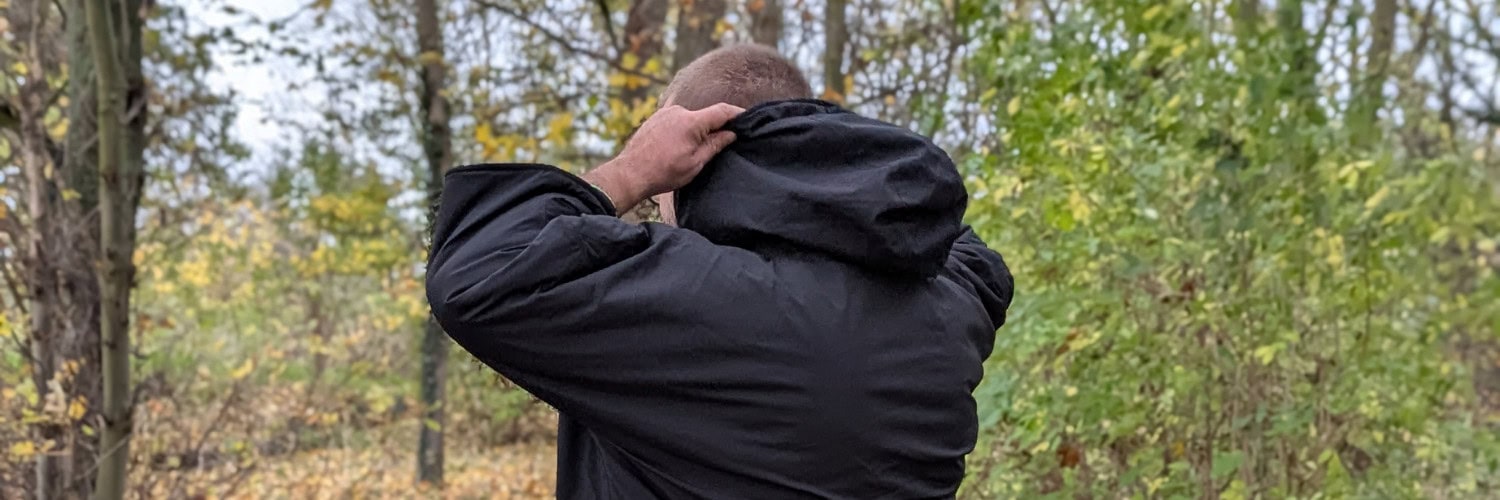
A final nugget of information for you is around cold water and cold water shock. Even if it is one of the milder days, the water will still be cold. And no matter how much you think you are prepared for that, it will always come as a surprise. So be prepared with extra warm dry clothes, look out for each other, and remember the best way to avoid it is to stay dry.