
When you think of “surfer’s ear,” the image that comes to mind is likely a sun-drenched beach, crashing waves, and a lone figure riding the swell. However, this condition, a bony growth in the ear canal, isn’t exclusive to surfers. It’s a silent and often overlooked risk for anyone who spends significant time on or in cold, windy water—including paddlers.
What Exactly is Surfer’s Ear?
Officially known as External Auditory exostosis, surfer’s ear is the body’s protective response to repeated exposure to cold water and wind. The ear canal, sensitive to these elements, begins to grow small, benign bony lumps. These growths are the body’s attempt to narrow the ear canal and protect the delicate eardrum from the elements. While the intention is good, the result can be problematic.
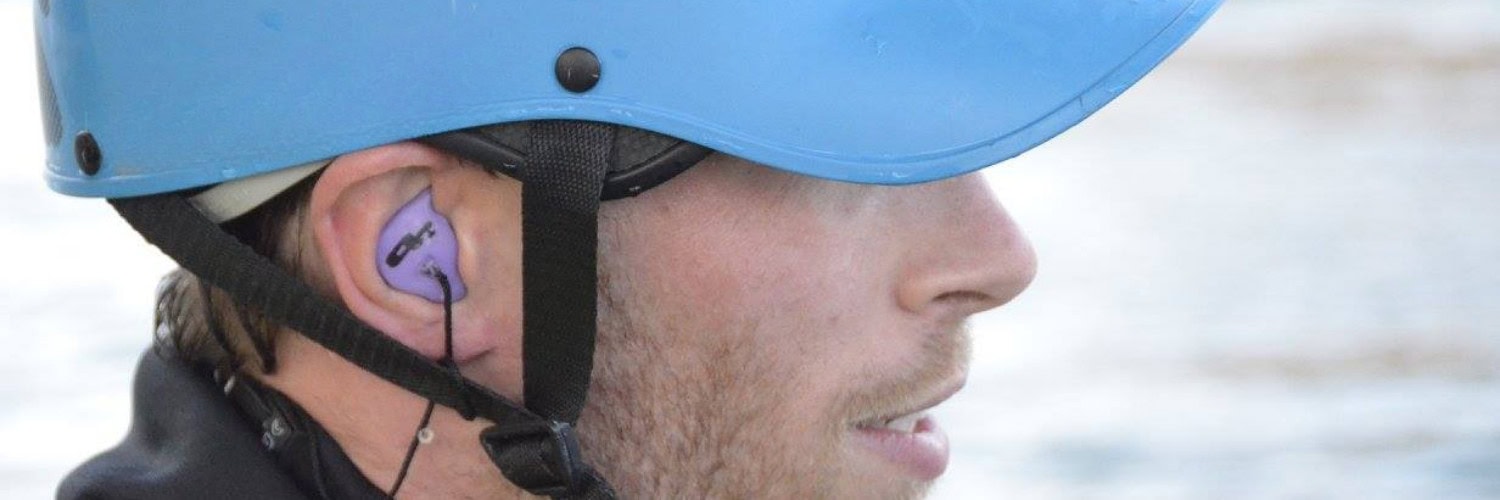
The Paddler’s Vulnerability
Paddlers, particularly those in coastal or whitewater environments, are prime candidates for this condition. Consider the typical day on the water:
- Cold Water Immersion: Capsizing, rolling, or even just splash from paddling can introduce cold water into the ear canal. In the UK, any water below 19° C is cold enough to put you at risk.
- Wind Exposure: The constant wind, often amplified by the speed of the kayak, SUP or canoe, funnels cold air directly into the ears.
- Repetitive Exposure: Unlike a one-off swim, paddlers are regularly subjecting their ears to these conditions, session after session, year after year.
Symptoms and Progression
The early stages of surfer’s ear are often asymptomatic. The bony growths develop slowly, and many paddlers don’t even realize something is wrong until the condition is advanced. As the exostoses grow, they can lead to:
- Water Trapping: The most common symptom. The narrowed ear canal makes it difficult for water to drain, leading to a constant feeling of being “clogged.”
- Increased Ear Infections: Trapped water creates a perfect breeding ground for bacteria, leading to frequent and painful ear infections.
- Tinnitus: Hearing a constant high pitch ringing, even when the area is silent.
- Hearing Loss: As the growths continue to narrow the canal, they can begin to impede the transmission of sound, leading to a gradual and often unnoticed loss of hearing.
- Pain: In severe cases, the pressure from the growths can cause chronic ear pain.
Prevention is Key
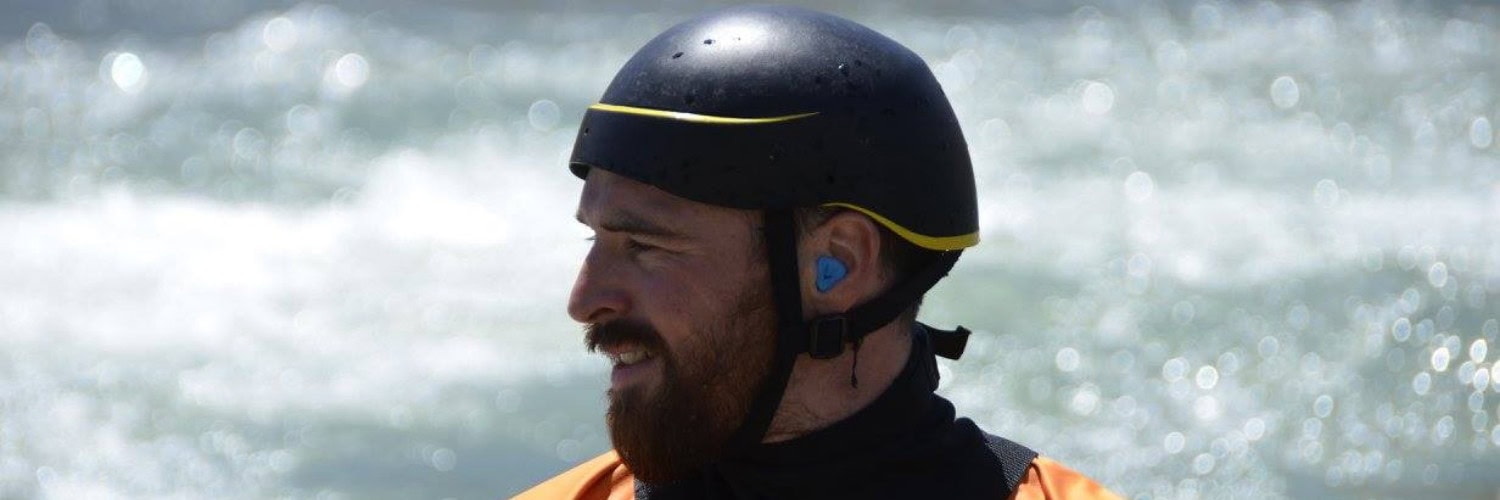
The good news is that surfer’s ear is almost entirely preventable. The solution is simple: protect your ears from the cold water and wind.
- Wear Ear Plugs: This is the most effective preventative measure. Specific earplugs designed for water sports, often with a small vent to allow sound in, are a game-changer. They create a physical barrier against the elements.
- Use a Hood or Hat: A neoprene hood or a waterproof hat can provide an extra layer of protection, particularly on windy days.
- Dry Your Ears: After a session, tilt your head from side to side to help drain any water that has entered the ear canal. You can also use a towel to gently dry the outer ear. Avoid using cotton swabs, which can push wax and debris further into the ear and cause irritation
Treatment
Once significant exostosis has developed, the only definitive treatment is surgery. This involves a specialized procedure to drill away the bony growths and widen the ear canal. The recovery process can be lengthy and requires a significant break from the water. For this reason, prevention is always the better option.

A Note on Children
With paddlesports growing in popularity among young people, experts are seeing a rise in Surfer’s ear cases in teenagers. For young paddlers, ear protection should be seen as a standard part of their kit, just like appropriate clothing and PPE.
Conclusion
Surfer’s ear is a silent and insidious condition for anyone who loves cold water sports. While it may not be as dramatic as a whitewater rescue, it can have a significant impact on a paddler’s long-term health and enjoyment of the sport. By taking a few simple, preventative steps, you can ensure that your ears stay healthy and that you can continue to hear the wonderful sounds of the water, the wind, and your paddling partners for years to come. Don’t let your passion for paddling come at the cost of your hearing. Protect your ears, they’re the only pair you’ve got.