River Waveney: Bungay Loop 2 Paddle Trail

River Waveney: Bungay Loop 2 Paddle Trail

2-3 hours
Duration
6.8 miles
Distance
Out and Back
Easy
Difficulty
NR35 1BF
Start Postcode
NR35 1BF
End Postcode
A. From the portage launching point upstream of the weir turn left and follow river upstream towards Outney Meadow.

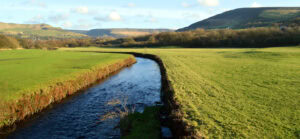
B. Pass under the old road bridge bearing left then right into open grazing land.

C. Straight ahead you will see the newer A143 bridge just before the Outney Meadow campsite which you will pass on the left.

D. Continuing upstream you will pass a bend in the river where there is often a rope swing; we don't recommend you try it.

E. Proceeding further the river meanders close to wild woodland where you might see kingfishers, otters and herons. Looking away from the woodland you will have a good view of the historic town of Bungay.

F. Further up after passing some lovely old houses and as you start to turn towards the closing stages of this route you will
see the workings of the quarry where gravel is washed and graded.

G. Take a moment before turning around and heading back.

Discover More

Users of this stretch of river should be aware that there are limited landing opportunities (save for an emergency) with no landing on the north bank as it is almost all private land. Please be respectful of all fishermen and landowners you meet and remember – the quieter you are, the more wildlife you’ll see.

This trail is part of the upper River Waveney which is a natural river that flows from Lopham Fenn just west of Diss to Great Yarmouth on the coast. It is suitable for most paddle craft including stand up paddle boards. The river is generally very clear, which means paddlers will often see shoals of fish, including Rudd, Perch, and Tench, navigating the shallows. Otters do live on the river but are rarely spotted.

In the summer months, cattle are grazed down to the water’s edge across much of the route. Kingfishers, with their vivid colours, nest along the river but are easily scared, so a quiet and observant approach might be needed to see them. Herons are often spotted on the river or flying overhead.

It has been suggested that the River Waveney is one of the southernmost valleys created in the last ice age, which could explain the presence of the sand and shingle quarry seen on the trail. For paddlers wishing to spend more time in the area, the Outney Meadow Camping & Caravan Park, with immediate access to the river, is ideally situated.

Licence Information

The waterways in this trail are managed by the Broads Authority and it is a requirement for paddlers to hold a licence. Paddle UK’s On The Water membership includes an annual licence for here as well as other waterways. When paddling, have your membership card with you as proof of licence otherwise you could face a fine. Get your digital membership card straight away with your licence and liability insurance included from www.paddleuk.org.uk . 

JOIN PADDLE UK

Safety Information

We want you to have fun and a safe paddle! Here are some helpful tips to ensure you paddle responsibly and stay safe on your journey. Please take a moment to review these important safety tips:

– Always wear a correctly sized buoyancy aid

– Carry a mobile phone – in a waterproof case

– Tell Someone Where You’re Going

– Check the weather and conditions

– Know your limits

Check out some useful blogs and e-learnings on how to keep safe

Water Safety

Navigation eLearning

Tides eLearning

Weather eLearning

Environment

Wherever and however you paddle, our Paddlers’ Code helps to ensure we can all enjoy and share the water safely and protect our precious environment.

Don’t get sick doing what you love. We know water quality is a concern for many paddlers. Click here for some simple advice on water quality and how to protect yourself.

Get informed, stay safe and make good decisions by checking the National Storm Overflow Map

Paddlers can play a vital role in keeping our waters free of harmful non-native species. It is crucial you Check, Clean and Dry you boat and equipment to prevent the spread. Click here for more information on Invasive Non-Native Species.

For more environmental advice and guidance, see our Blue Space Blogs section on the Paddle UK website.


Video