Autumn and winter paddling can be just as magical as the warmer months. Think autumn colours reflected on the water, crisp mornings and sparkling frost along the riverbank.
It’s a brilliant way to stay active all year round and enjoy the changing seasons. There are a few extra things to consider at this time of year, from changeable weather and shorter days to keeping warm and safe on the water, but don’t let that put you off!
Our tips will help you plan a safe autumn or winter paddle. Whether you’re a kayaker, canoeist or paddleboarder, we’ll cover everything from checking the weather and water conditions to choosing the right clothing and understanding cold-water safety.
Dressing for autumn and winter paddling
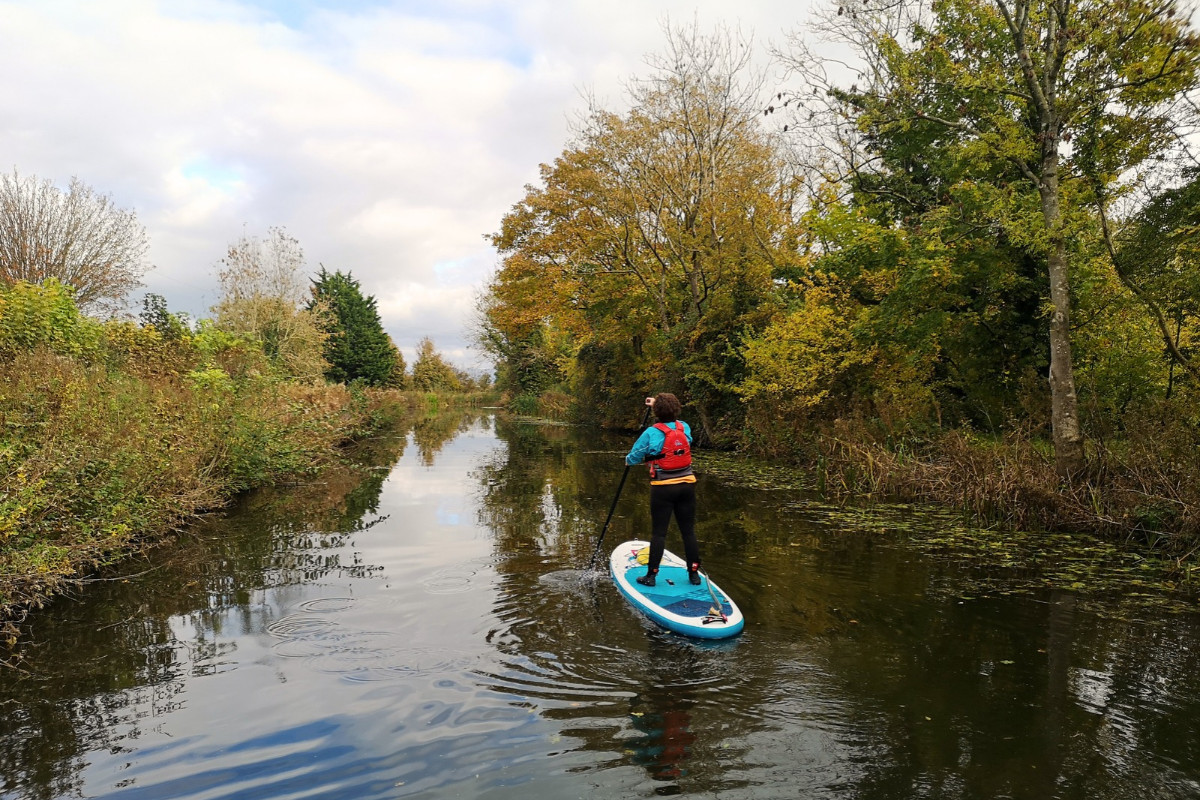
Dressing for autumn and winter paddling means thinking about layers. The weather can change quickly, so it’s important to be prepared for different conditions.
See our top tips to get you started.
- Dress for the water temperature, not just the air temperature. Hopefully, you’ll stay on the water, but you need to be prepared in case of capsize.
- Wear thermal base layers and suitable outer layers, such as a waterproof paddling cag and trousers, to help keep you warm and protected from the wind and any splashes.
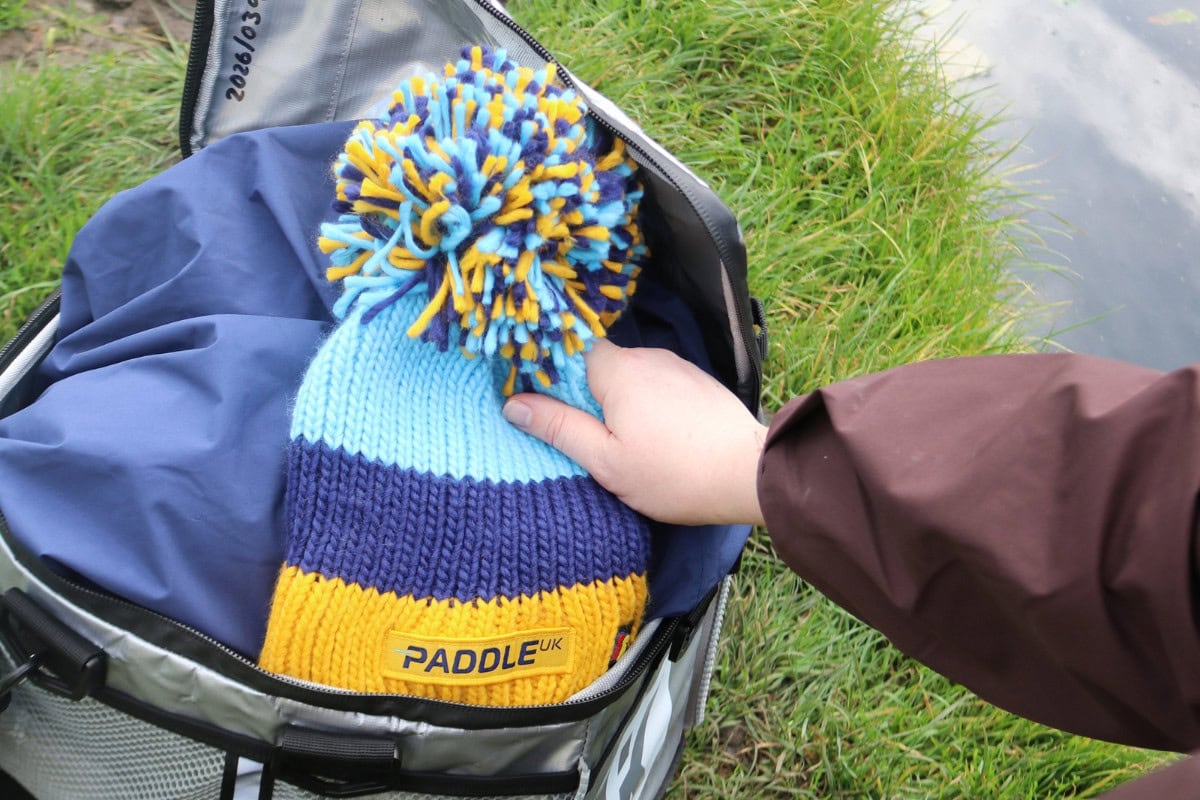
- Protect your hands, feet and head with neoprene gloves and boots, and keep extra heat in with a warm hat.
- Always wear a correctly fitted buoyancy aid.
- Take spare warm clothing with you in a drybag.
- Carry your mobile phone in a waterproof case and keep it within easy reach in case of an emergency.
For further guidance, read our full autumn kit guide.
Planning ahead
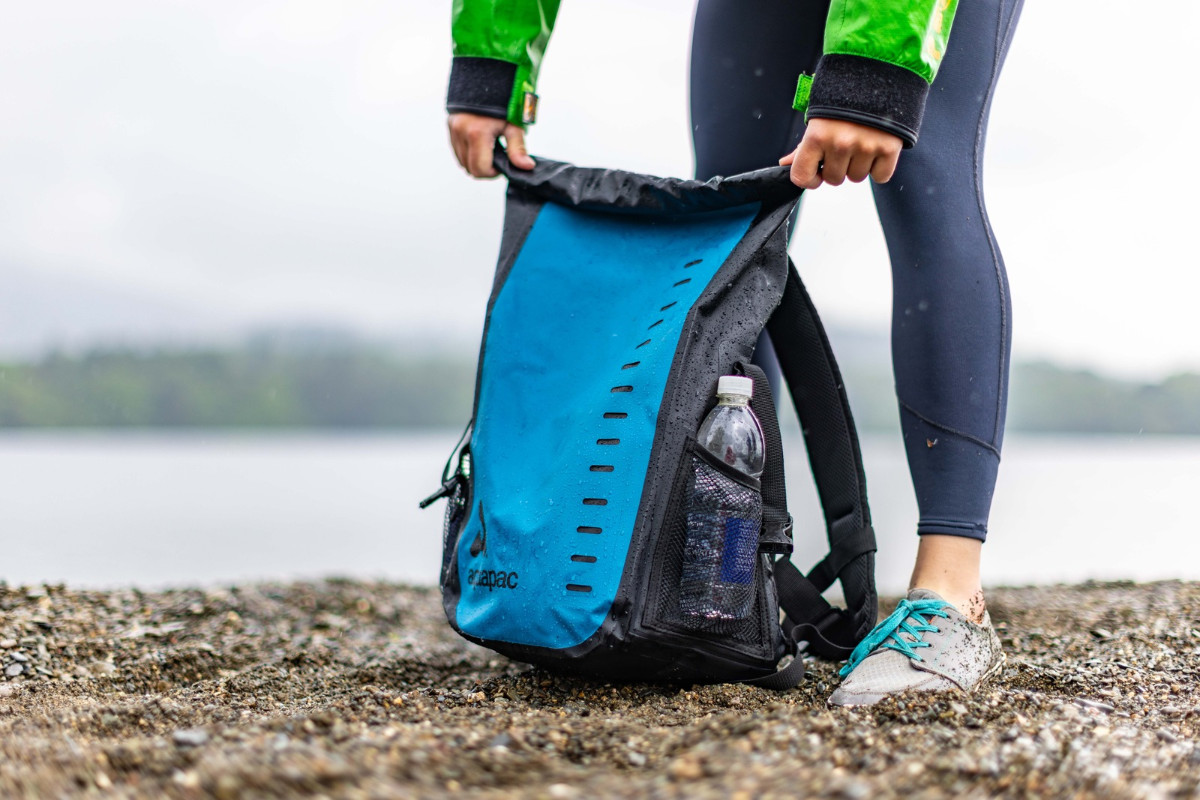
Good planning can help you make informed decisions and prepare for changing conditions. Taking time to plan ahead can help you choose a suitable route, feel more confident on the water and make sure you have everything you need for your paddle. Autumn and winter conditions can be less predictable, so it’s worth checking a few key things before you set off.
Check the weather
Check the forecast the night before and again on the day of your paddle, including wind speed and direction, rainfall and any weather warnings. Remember that conditions can change quickly, so be prepared to adapt your plans.
Offshore winds can make it difficult to get back to shore, particularly for paddleboarders and those using inflatable kayaks. Avoid paddling in offshore winds, and consider how wind, cold temperatures and exposed conditions could affect your ability to return safely. Choose a sheltered route close to the shoreline where appropriate, and look for local indicators of wind direction, such as a windsock.
Check sunrise and sunset times, too. With shorter daylight hours in autumn and winter, plan your paddle so you’re back well before dark.
Always paddle within your ability, or your group’s ability, and be prepared to change your plans if the conditions aren’t suitable.
Paddle UK members can check their Member Dashboard for weather forecasts, river levels and tide times.
Check water conditions before paddling
River levels can rise quickly after heavy rainfall. This can create faster flows and bring fallen branches and other debris into the water. Familiar routes can become more challenging, so check river levels and reassess conditions before setting off.
Heavy rain can also wash pollution into waterways, affecting water quality. Check the conditions before you paddle and read our tips for making informed decisions about water quality to help you stay safe.
Use online maps, apps and the government’s river levels and flooding service to check river levels, flood alerts and warnings before setting off. These tools are useful for planning, but they may not show every hazard or reflect current conditions at your chosen launch point.
When you arrive at your location, assess the waterway and check that your launch and landing points are safe to use, particularly after heavy rainfall, flooding or storms. If you’re unsure, seek local advice from a paddlesport provider.
Plan a safe paddling route
If you’re new to autumn and winter paddling, start cautiously by choosing shorter routes that suit your experience and the conditions. Stay close to the riverbank or shoreline where possible, and remember that a route within your ability in summer may be more challenging in colder months.
Our PaddlePoints map can help you find launch points, car parks and identify potential hazards.
Build your paddling skills
If you’re a newer paddler, or just want to brush up, the colder months are a great time to develop your skills. Paddle UK Delivery Partners are qualified paddlesport providers, and can help you build your skills through lessons, guided trips and Paddle Awards.
Paddle with a buddy
Paddling with a friend is a great way to enjoy the water together and look out for each other, particularly in colder conditions. You can share local knowledge, discuss decisions and build confidence.
Whether you’re with a friend or alone, make sure someone on land knows your planned route and your expected return time. Agree to check in when you’re safely off the water, and make sure they know what to do if they don’t hear from you.
Food and drink for cold-weather paddling
Cold-weather paddling can be demanding, so fuel your body for the adventure. Eat before you set off, and take snacks to keep your energy up during longer trips.
Pack a warm drink, too, so you can enjoy it during a break or when you return.
Avoid cold-water shock
Cold-water shock can happen at any time of year, not just in winter, and can affect anyone, regardless of their fitness or swimming ability. Sudden immersion in water below 15°C can trigger a cold-shock response. This affects your breathing and ability to stay in control.
Wearing suitable clothing and a correctly fitted buoyancy aid, choosing a route that suits your ability and preparing for the conditions can all help you avoid cold-water shock.
Staying warm after your paddle
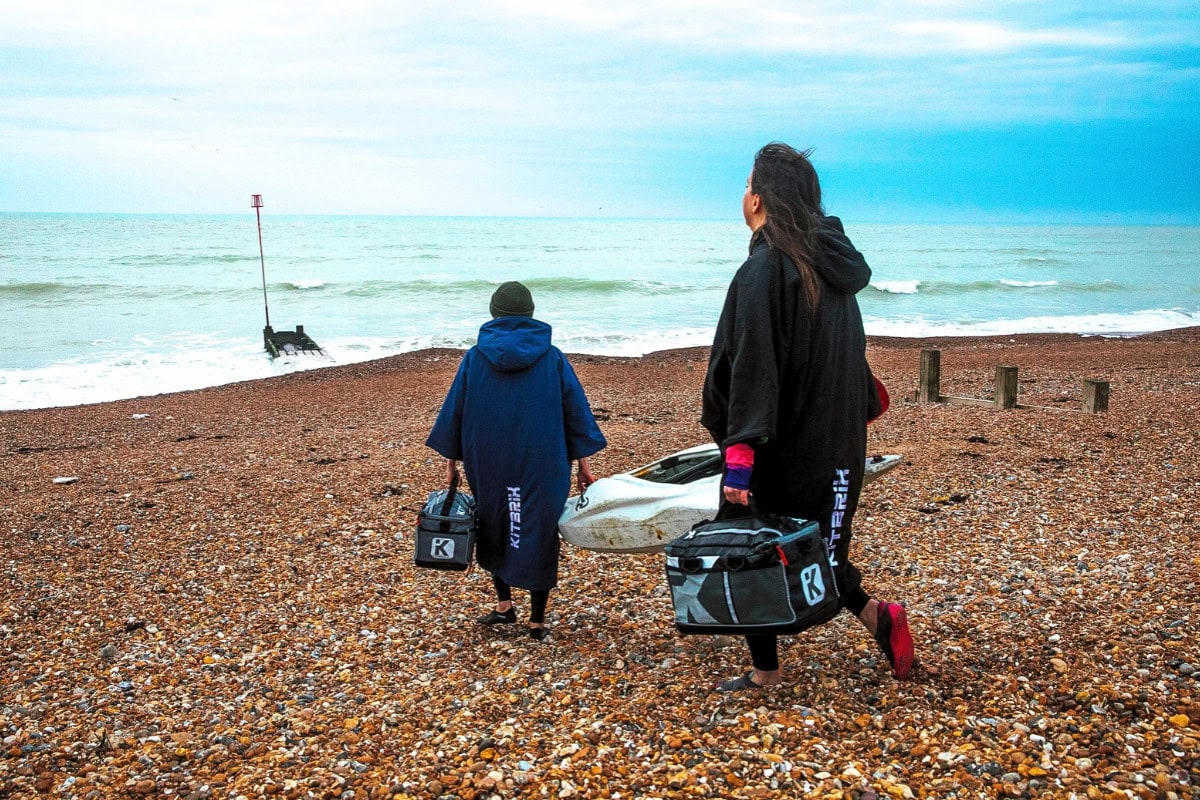
Once you’ve enjoyed your time on the water, there are a few things to think about before heading home.
Get changed into warm, dry clothes as soon as possible. A changing robe, towel or mat can make getting changed easier in colder conditions. You’ll cool down quickly once you stop paddling.
Let your nominated contact know you’re safely off the water.
Have a warm drink and a snack before heading home. A cosy café is a great place to warm up after your paddle!
Finally, enjoy the benefits of getting outdoors and staying active throughout autumn and winter, whenever conditions are suitable.
We’ve got over 170 free Paddle Trails on Go Paddling, or you can plan your own route on our PaddlePoints map.
You’ll find launch points, places to park, cafes and landmarks along the way. Plus, you’ll find hazards that paddlers have reported, and local paddlesport providers who can help with local knowledge.