Paddleboarding is an enjoyable water sport that offers a fantastic way to experience nature and improve your fitness. However, for beginners, it can be a bit intimidating. There’s a lot to learn, and mistakes are inevitable. This guide will help you avoid some of the most common paddleboarding mistakes, so you can spend more time enjoying the water and less time falling in.
Board Setup
The Deflating Board: This is a mistake you’ll likely only make once. You’ve diligently pumped up your inflatable board, only to hear all that air escape with a whoosh as soon as you remove the pump. Remember, always ensure the valve pin is in the “up” position to prevent air from escaping.
The Banana Board: Underinflating your board is another common error. While it might feel firm with minimal air, it will bend and become unstable as soon as you stand on it. Always inflate your board to the recommended PSI, usually found on the valve or the board itself.
Paddle Setup
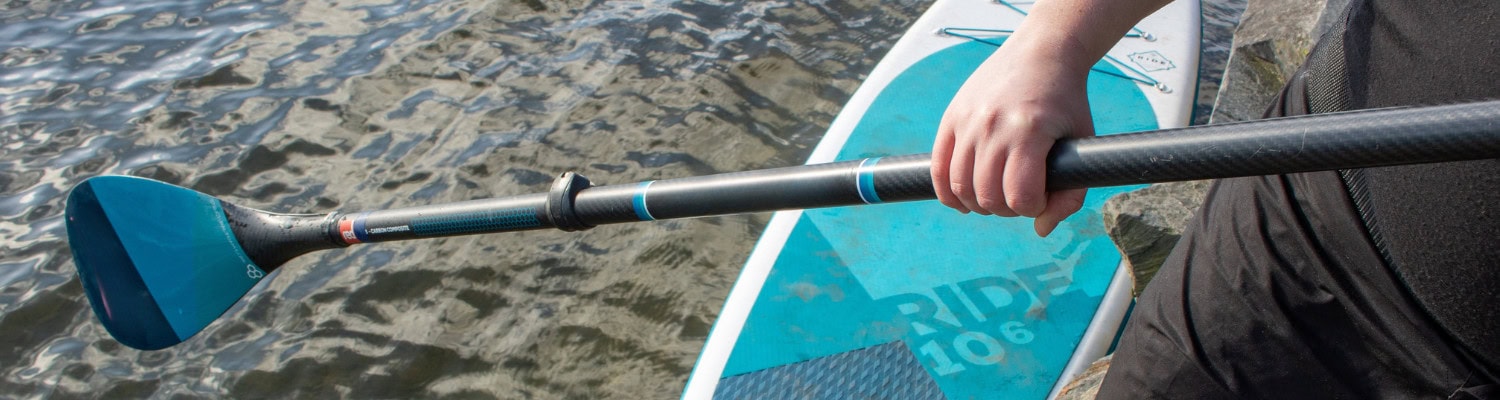
The Backwards Paddle: Holding the paddle the wrong way round is a classic beginner’s mistake. The blade should angle away from you, not towards you. A simple trick is to place a sticker on the paddle to remind you of the correct orientation.
The Unreachable Water: Paddle length is crucial. A paddle that’s too short will force you to overreach, while one that’s too long will be difficult to maneuver. As a general rule, when the paddle is placed on the ground, the handle should reach about 6-8 inches above your head. Also, maintain a comfortable distance between your hands on the paddle for better leverage and control.
On the Water
The Ankle Breaker: Before standing up, ensure you’re in water deep enough to cushion a fall. Waist-deep water is ideal. Use your paddle to gauge the depth before stepping on the board and again when approaching the shore.
The Tipping Point: Foot placement is key for balance. Standing too far forward or backward will cause the board to tip. Position your feet shoulder-width apart, centered around the carry handle.
The Stiff Legs: Keep your legs slightly bent and relaxed. This allows them to act as shock absorbers, maintaining balance as the board moves over the water.
The Downward Gaze: Always keep your head up and look where you want to go. Your body tends to follow your gaze, so looking down at the board can lead to a loss of balance and a plunge into the water.
Additional Tips
- Practice on Land: Before venturing into the water, practice your stance and paddling technique on land.
- Start Kneeling: Get comfortable kneeling on the board and paddling before attempting to stand.
- Fall Safely: If you fall, try to fall flat into the water to avoid injury.
- Wear a Leash: A leash will keep your board attached to you, preventing it from drifting away.
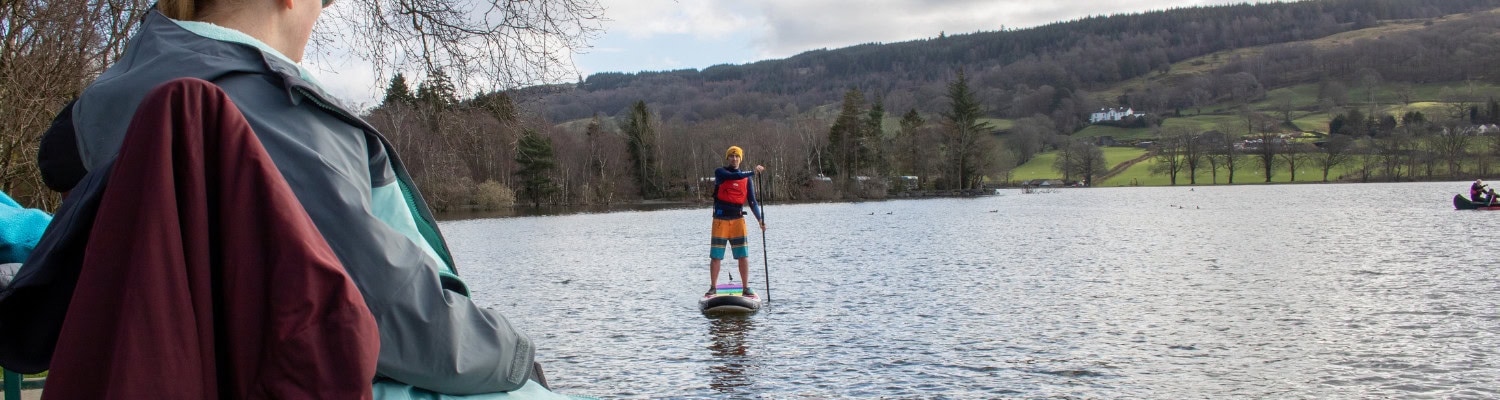
- Wear a PFD: A personal flotation device is essential for safety.
- Respect Others: Be mindful of other water users and follow local regulations.
Paddleboarding is a fun and rewarding activity. By avoiding these common mistakes and following these tips, you’ll be well on your way to enjoying a safe and successful paddleboarding experience. Remember, practice makes perfect, so get out there and enjoy the water!