The C2C Route
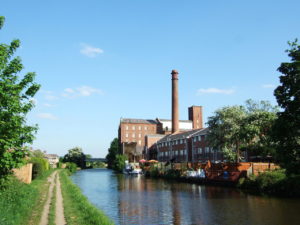
This is the twelfth in a series of eighteen individual trails, which combine to create a coast to coast route for paddlers. Pass through the market town of Skipton as you head towards Leeds and the east coast.
The coast to coast route is made up of a series of eighteen trails. It’s designed to be travelled west to east, across the country; the recommended direction of travel considering prevailing wind direction and river flows.
The trails combine the Leeds Liverpool Canal and Aire and Calder Navigations to create a route stretching 162 miles across the north of England. Passing through villages, towns and cities that played a major part in the industrial revolution and textile industries, as well as enjoying the stunning scenery as you travel over the Pennines in Lancashire and Yorkshire.
The Leeds Liverpool Canal and Aire and Calder Navigation offer different paddling experiences. The Leeds Liverpool wanders gently, connecting its two two major namesake cities. It recently celebrated its bicentenary and is enjoyed by boaters and paddlers alike.
The Aire and Calder is a commercial waterway, transporting goods and materials between the town of Goole and the city of Leeds. The navigation brings its own challenges, combining canalised navigation and river sections with large locks and high walls.
PLEASE NOTE: It’s recommended that only more experienced paddlers or groups of paddlers with experienced coaches or leaders paddle on the river sections of the Aire and Calder Navigation.
When in Skipton you can choose to divert to explore the Springs Branch of the canal. The branch runs for half a mile from the main canal around the back of Skipton Castle, to a former stone loading wharf. The branch opened in 1797 and was built for Lord Thanet, who lived in Skipton Castle and owned the limestone quarries served by the branch. Stone was brought from the quarries by a tramroad to be loaded into boats for the journey down to Leeds.